Land Brought Back to Agricultural Use
Pasture & Field Reclamation in Mechanicsville for properties with overgrown grazing areas and degraded hay production capability
Dormant pasture across Hanover County often reaches a point where brush, volunteer timber, and invasive overgrowth eliminate grazing capability entirely. Failla Land Management reclaims overgrown pastures and fields using forestry mulching and land clearing designed for agricultural and recreational restoration. Properties that once supported livestock or hay production can lose that functionality within just a few seasons if vegetation is left unchecked.
The reclamation process uses forestry mulching equipment to remove brush, small timber, and dense overgrowth in a single-pass operation that exposes soil and prepares the surface for reseeding or immediate grazing use. Because the equipment processes vegetation on-site rather than hauling it away, soil disruption stays minimal and organic material returns to the ground as mulch. This approach works across varying terrain common in Central Virginia, from rolling pasture to fields with scattered tree growth.
Schedule a site evaluation to review current field conditions and restoration requirements for your property.
How Reclamation Restores Productive Acreage
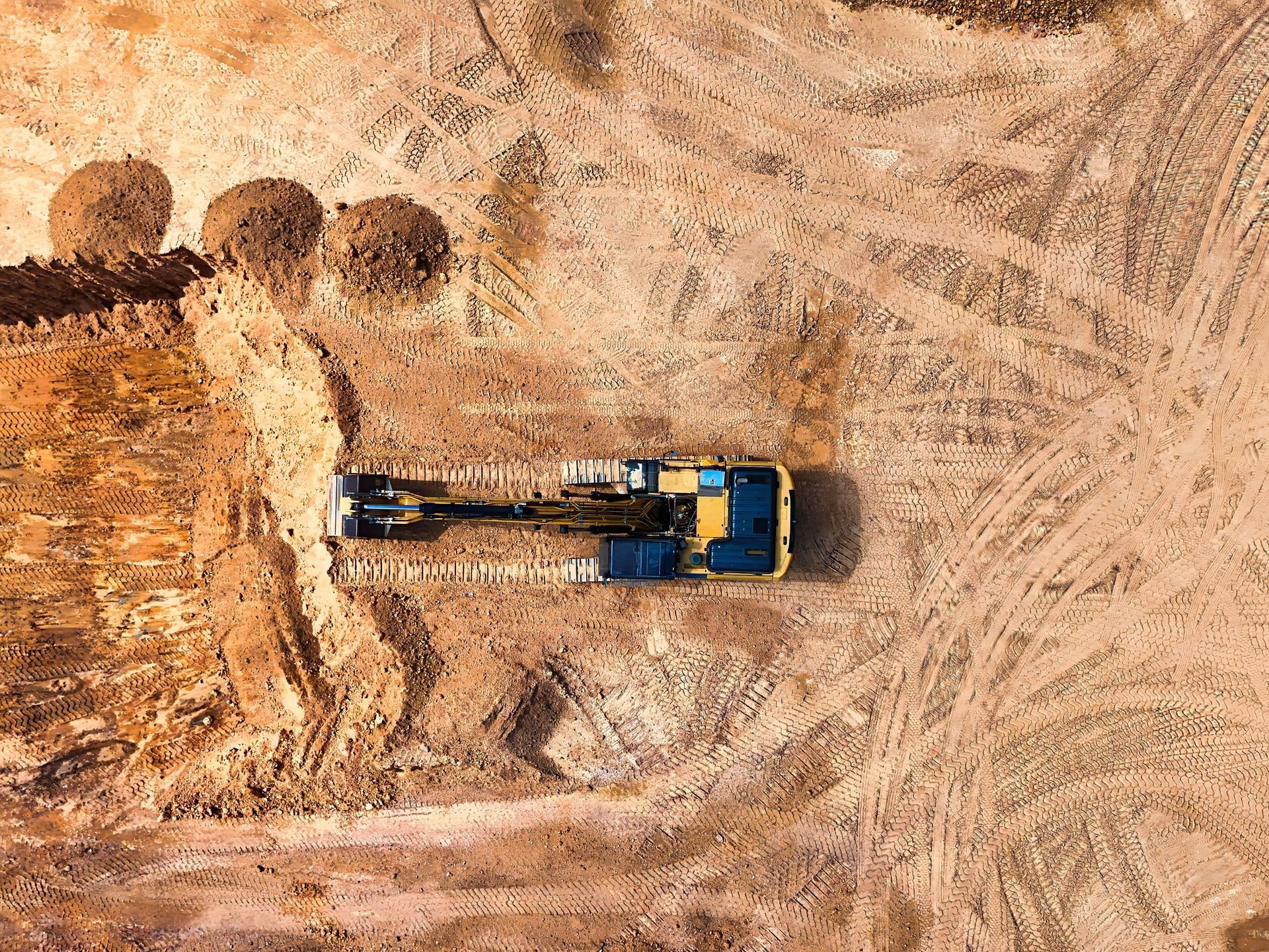
Reclamation begins with mulching equipment clearing brush and small timber while leaving the root structure and topsoil layer intact. The mulched material settles across the surface and begins decomposing, which returns nutrients to the soil and reduces erosion during the establishment period. Equipment operators work in sections to manage debris depth and ensure even coverage without creating piles that interfere with replanting or grazing access.
Once clearing is complete, you'll see open ground ready for pasture seeding, hay production, or rotational grazing setup. Brush that blocked livestock movement and reduced sunlight exposure is gone, and the field surface becomes accessible for mowing, fertilization, and water distribution systems. Properties in New Kent and King William that undergo reclamation typically move from unusable overgrowth to functional pasture within a single growing season after clearing and seeding.
The reclamation process does not include seeding, soil testing, or fence installation, but it prepares the site so those steps can proceed without obstruction. Depending on the density of overgrowth and the size of the area, reclamation may involve multiple equipment passes to address regrowth or stubborn root systems that persist after the initial clearing.
Questions Before Starting Pasture Restoration
Property owners in Hanover County and the greater Richmond area often ask about timing, process, and what to expect after overgrown pasture is cleared.
What happens to the brush and timber removed during reclamation?
Forestry mulching equipment grinds vegetation on-site into mulch that remains on the ground, so there's no hauling or burning required, and the organic material decomposes to improve soil structure over time.
How long does pasture reclamation take for a typical field?
Clearing speed depends on overgrowth density and acreage, but equipment-based reclamation processes most pasture and field sites faster than manual clearing or repeated mowing, often completing several acres in a single day.
When is the best time to reclaim pasture in Central Virginia?
Late fall through early spring works well because vegetation is dormant, ground conditions support heavy equipment without excessive rutting, and clearing can finish before the next growing season starts.
What size equipment is used for pasture reclamation?
Forestry mulching machines vary based on terrain and vegetation density, but most pasture reclamation in Mechanicsville uses mid-sized mulchers that balance clearing power with maneuverability across uneven or soft ground.
Does reclamation remove tree stumps and roots?
Forestry mulching grinds surface vegetation and small timber but typically does not extract large stumps or deep root systems; those may require additional excavation if they interfere with planting or grazing plans.
Failla Land Management works across Hanover County and surrounding areas to restore pasture and field acreage for agricultural and recreational use. Request a property assessment to review clearing options and site-specific restoration requirements.