Ground Shaped Before Building Begins
Site Preparation & Excavation in Mechanicsville for land that requires leveling before home builds or commercial construction
Central Virginia properties scheduled for construction or additions often start with uneven grade, buried debris, or drainage patterns that direct water toward foundation footprints. Site preparation addresses these conditions through grading, excavation, and material movement that establishes the level base and slope required for stable building foundations. Failla Land Management operates mini excavators and grading equipment to prepare residential and commercial sites across Mechanicsville, Hanover County, and the greater Richmond service zone, handling projects from single-family home pads to larger field reclamation work that converts overgrown acreage into usable open space.
Excavation work involves cutting high spots, filling low areas, and moving soil to create the specified grade shown on site plans, with attention to compaction in fill zones to prevent settling under structural loads. The process also includes utility trenching for water lines, electrical runs, and drainage systems that must route through the site before concrete or framing begins. Equipment-based site work scales from small yard additions to larger clearing projects, and the ability to adjust scope based on what the ground reveals during excavation prevents delays when subsurface conditions differ from initial surveys.
Arrange an on-site consultation to review grade requirements and identify any subsurface obstacles that affect excavation planning.
Why Proper Grading Matters Long-Term
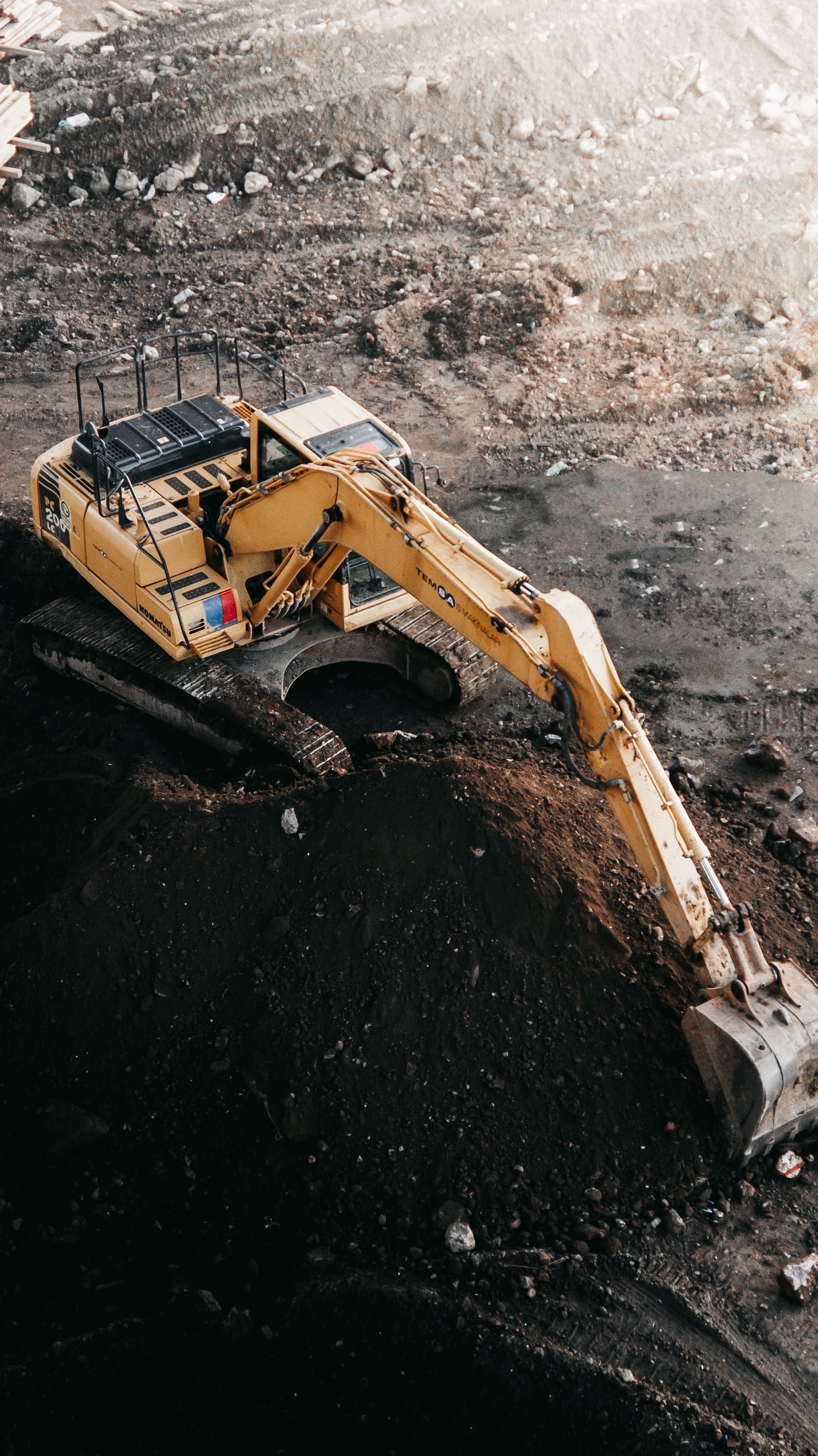
Site grading establishes the slope that directs rainwater away from foundations and prevents pooling in low spots where saturated soil undermines stability. Excavators cut trenches to specified depth and width for utility lines, and backfill compaction in those trenches prevents surface settling that cracks driveways or sidewalks installed later. The equipment also removes organic material and topsoil from areas beneath foundations, since decomposing plant matter compresses unevenly and creates voids under slabs or footings.
After grading finishes, you notice a level building pad with positive drainage that moves water toward designated swales or collection points, and the finished grade matches the elevations required for foundation forms or slab pours. Compacted fill areas firm enough to support equipment traffic without rutting, and trench lines for utilities sit at depths that meet code requirements while avoiding conflicts with future landscaping or hardscape features.
Failla Land Management plans to expand excavation capacity through Class A licensing, which signals a commitment to utility-grade site work that meets the standards contractors and inspectors expect on permitted projects. The transition from rough clearing to precision grading requires equipment control that leaves surfaces within inches of plan elevation, and the difference shows when concrete crews or framers arrive to find a site ready for immediate work rather than needing secondary grading corrections..
Common Site Preparation Questions
Excavation and grading raise questions about timing, equipment needs, and what the site looks like before construction trades mobilize..
What does site preparation include beyond excavation?
Site prep typically involves clearing vegetation, removing topsoil from building footprints, establishing rough grade for drainage, excavating utility trenches, and compacting fill areas to support foundations, with the finished surface ready for layout and forming.
How deep do utility trenches need to be for residential projects?
Water lines in Mechanicsville and Hanover County typically trench eighteen to thirty-six inches below grade to stay below frost depth, while electrical conduit runs at least eighteen inches deep unless code requires deeper burial for specific voltage or conduit type.
When should site work happen relative to other construction phases?
Excavation and grading occur after site survey and permit approval but before foundation work begins, and the window between rough grade and concrete pour should minimize weather exposure that erodes slopes or fills trenches with runoff.
What happens if the ground reveals rock or unsuitable soil during excavation?
Rock encountered during trenching often requires hammer attachment or saw cutting to reach trench depth, and unsuitable soil in foundation zones gets excavated deeper and replaced with engineered fill that compacts to specified density, adding time and material cost but preventing future settlement.
How does weather affect site preparation schedules?
Wet soil compacts poorly and heavy equipment creates ruts that require regrading, so excavation work schedules around dry periods or frozen ground when possible, and tarps or silt fencing protect finished grade from erosion during rain events before construction progresses.
Site preparation sets the foundation for everything built above it, and grading errors compound as construction advances. Failla Land Management brings equipment-based precision to residential and commercial sites across the greater Richmond area, with scalable capability that adjusts to project size and site conditions. Contact us to discuss your site's grading needs and schedule work that aligns with your construction timeline.