Routes Built for Reliable Property Access
Trail & Access Road Construction in Mechanicsville for recreational and development properties requiring durable vehicle and equipment pathways
Rural properties across Hanover County, King William, and New Kent often lack the internal road network needed to reach hunting stands, recreational clearings, or development sites located away from paved frontage. Trails and access roads provide the graded surface that supports vehicle traffic, equipment movement, and seasonal use without rutting or washouts that make routes impassable after rain. Failla Land Management uses excavation and grading equipment to build trails and access roads tailored to site topography and intended use, routing pathways that avoid steep grades, manage drainage, and preserve existing vegetation where access corridors permit selective clearing.
Road construction begins with route layout that considers elevation changes, soil type, and drainage patterns, since roads cut into hillsides or crossing wet areas require different approaches than routes following ridgelines or dry ground. Equipment grades the surface to establish crown or cross-slope that sheds water, and base material like gravel or crushed stone stabilizes the roadbed in areas where native soil lacks the bearing capacity to support repeated vehicle loads. Trails built for foot traffic or ATV use require less base preparation than roads supporting trucks or construction equipment, but both benefit from routing decisions that minimize erosion and maintenance needs over time.
Schedule a property walkthrough to identify optimal trail routing and discuss surface material options based on expected traffic and seasonal use..
What Proper Road Grading Delivers
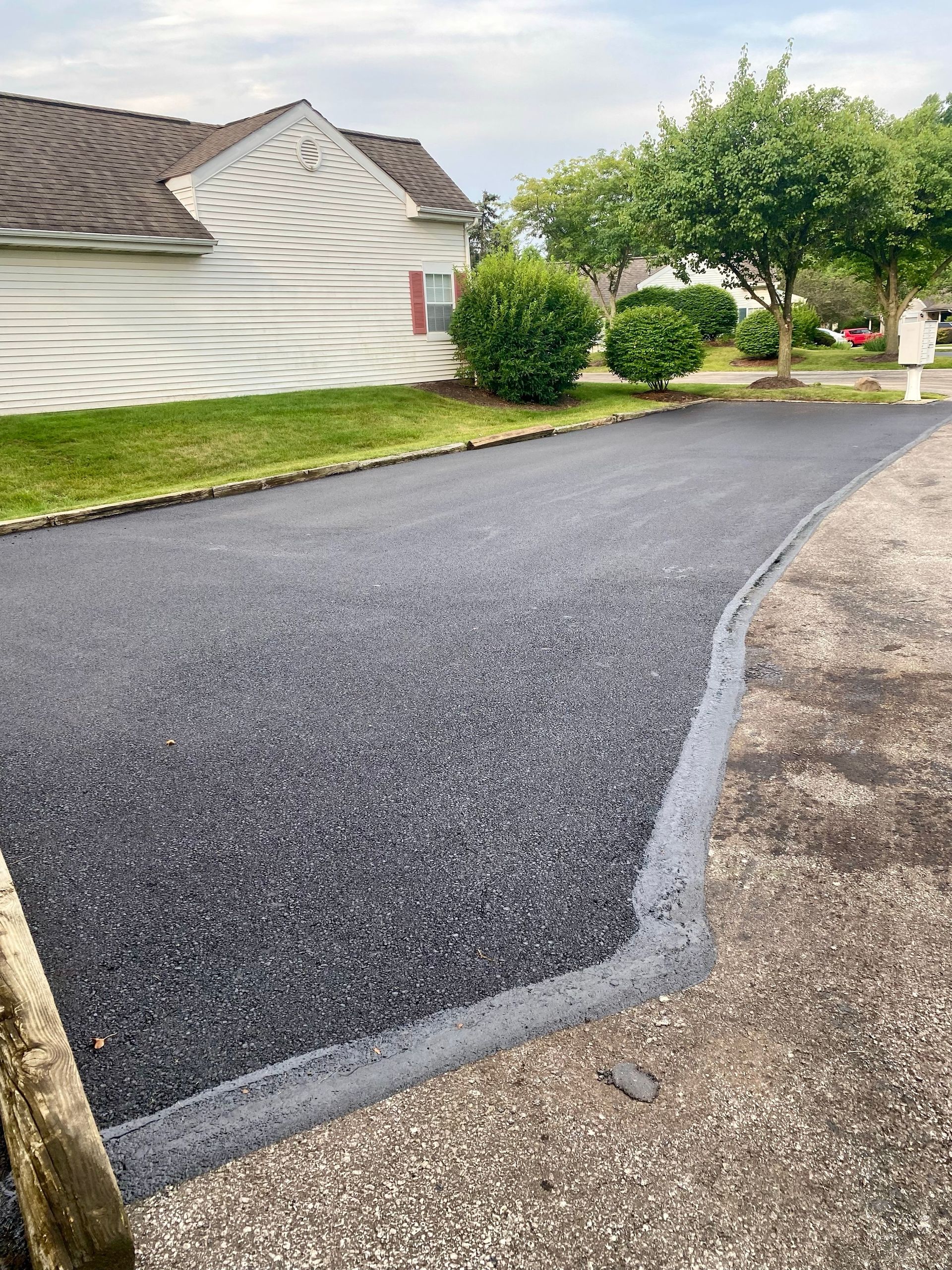
Access roads graded with attention to drainage and surface crown prevent the ruts and standing water that make unimproved tracks impassable during wet months, and the finished surface provides a stable platform that supports vehicle weight without sinking or shifting. Gravel or stone base layers spread across the roadbed create a firm surface that resists erosion and distributes load across a wider footprint than bare soil, reducing the depth of tire tracks and extending the interval between maintenance grading.
After construction completes, you notice a defined route that remains passable year-round rather than becoming a muddy channel during spring thaw or summer storms, and the road grade follows natural contours to avoid steep climbs that challenge traction or create erosion gullies. Ditches or swales along the road edge capture runoff and direct it away from the driving surface, and culverts installed at low crossings prevent water from pooling or washing out the roadbed during heavy rain events.
Trail and access road construction integrates with broader land management goals, whether that involves reaching hunting property, connecting to timber harvest zones, or supporting development infrastructure on parcels slated for future building. The difference between a road that holds up under use and one that requires constant regrading shows in the initial layout and base preparation, and those decisions affect long-term access reliability more than surface material alone.
What Property Owners Ask About Road Building
Building trails and access roads raises questions about materials, drainage, and how routes hold up under different traffic levels and weather conditions.
What base material works best for access roads in Virginia?
Crushed stone or gravel provides a stable base that drains well and resists rutting better than native clay or sandy soils common in Hanover County and surrounding areas, with layer depth depending on traffic volume and soil bearing capacity beneath the road.
How do you prevent erosion on sloped sections of trail or road?
Roads crossing slopes use grade reversals or water bars to interrupt runoff flow and direct water off the surface before it gains enough velocity to erode the roadbed, and ditches along the downhill edge capture diverted water and channel it to stable discharge points.
When is the best time to build access roads on rural property?
Late summer through early winter offers the driest ground conditions in Mechanicsville and Central Virginia, allowing equipment to move without creating deep ruts, and roads built during dry months compact more effectively than those constructed in wet soil that remains unstable under traffic.
What width should an access road be for truck or equipment traffic?
Roads supporting full-size trucks or construction equipment typically grade to ten to twelve feet wide to allow safe passage and provide room for mirrors and cargo, while ATV trails or foot paths function at four to six feet depending on vegetation clearance and turning radius needs.
How often do gravel roads need maintenance grading?
Gravel roads used regularly benefit from regrading every one to three years to redistribute material that migrates to edges or low spots, and frequency depends on traffic volume, rainfall, and whether the road has adequate crown and drainage to shed water between maintenance cycles.
Access roads and trails connect you to parts of your property that would otherwise remain difficult to use or manage, and the construction approach determines how well those routes perform over years of seasonal traffic. Failla Land Management builds trails and access roads across Hanover County, King William, New Kent, and the greater Richmond zone, with equipment and routing experience that supports both recreational and development access needs. Reach out to discuss your property's access challenges and map routes that balance terrain, drainage, and long-term durability.